






Complete Buyer Guide: Choosing the Best Cat Litter Box in 2027
A comprehensive breakdown of odor control, hygiene, multi-cat setups, and mess prevention.
Finding the right cat litter box is essential for maintaining both home cleanliness and your feline’s behavioral health. A substandard litter pan leads to persistent ammonia odors, daily floor scattering, and costly bathroom accidents outside the box. Selecting a setup designed with correct wall heights, durable anti-scratch materials, and smart self-cleaning mechanics creates a hygienic living space for both you and your cat.
1. Comparing Litter Box Styles: Which One Fits Your Cat?
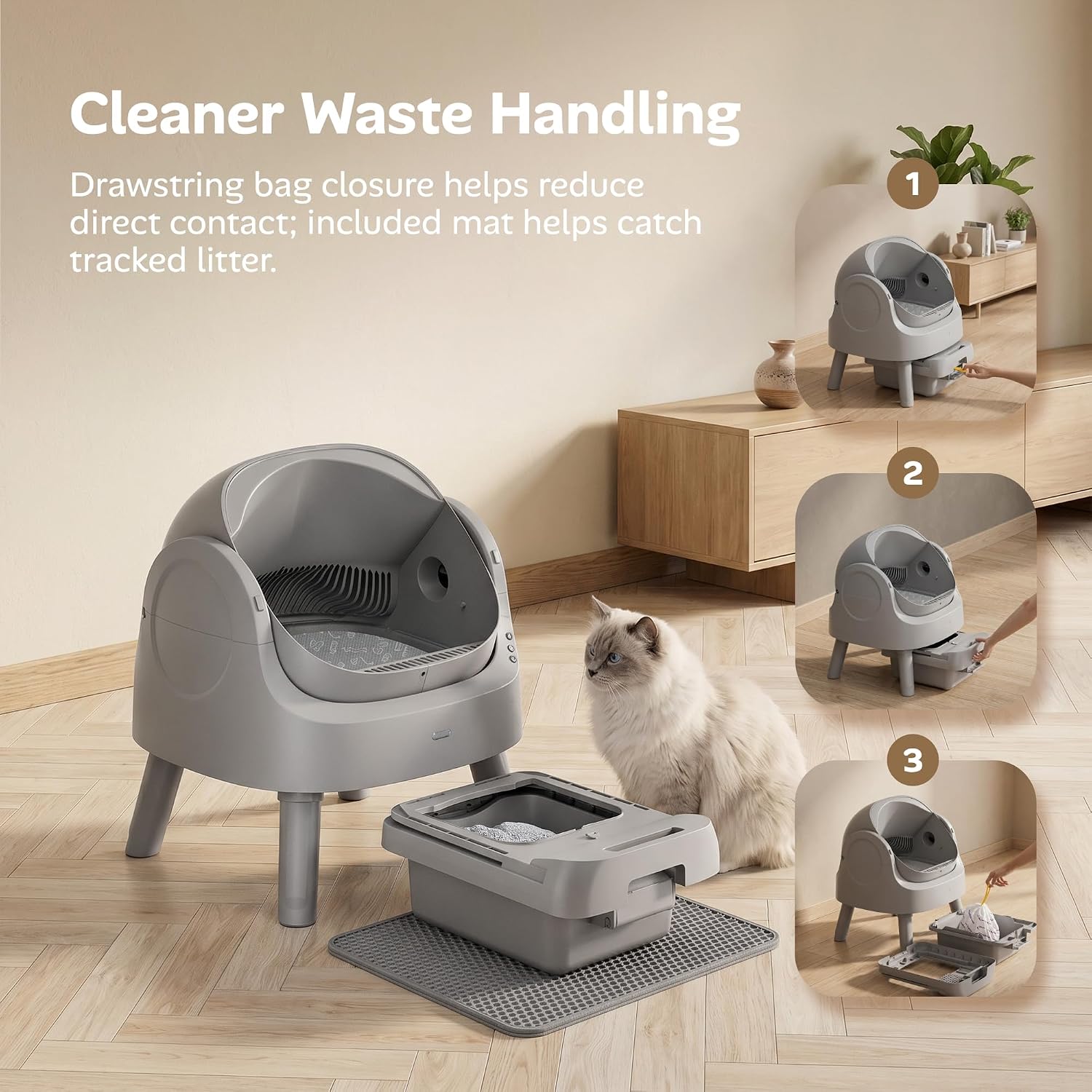
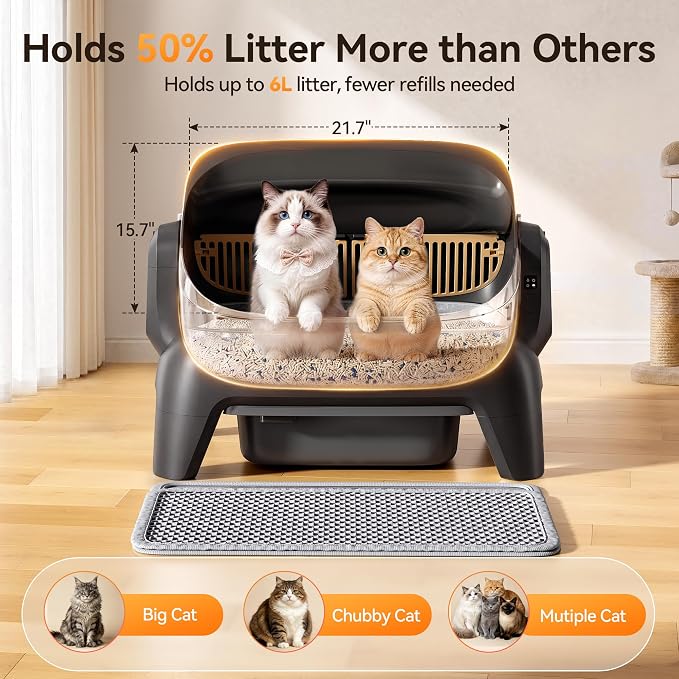
- Automatic & Smart Self-Cleaning Boxes: Engineered for busy owners and multi-cat households. Equipped with multi-angle infrared and weight sensors, automated sifting rakes, and sealed waste chambers that lock odor away for up to 14 days without daily scooping.
- Stainless Steel Litter Pans: The premier choice for odor elimination. Unlike traditional plastic which develops micro-scratches that harbor bacteria and urine residue, high-grade stainless steel is completely non-porous, rust-proof, and washable in minutes.
- High-Sided Open Litter Trays: Ideal for high-peeing cats and aggressive litter scatterers. Removable shields block perimeter urine leakage while maintaining an inviting, non-enclosed entry.
- Covered & Hooded Enclosures: Great for cats that prefer private spaces, trapping airborne dust and litter tracking inside the base pan.
2. Critical Factors to Evaluate Before Buying
- Box Sizing Formula: An ideal litter box should measure at least 1.5 times the length of your cat (from nose to the base of the tail). Cramped spaces cause stress and perimeter misses.
- Material Longevity: Plastic boxes require frequent replacements every 12 months. Stainless steel and premium ABS engineering plastics last years without discoloration or retained stench.
- Multi-Cat Distribution: Animal behavioralists recommend following the n + 1 rule (number of litter boxes = number of cats + 1) unless using an automated self-cleaning machine that resets itself immediately.
- Floor Protection: Always pair high-sided pans with honeycomb dual-layer trapping mats to capture stray clumping pellets right as your cat steps outside.
3. Essential Maintenance & Odor Prevention Tips
Maintain 2 to 3 inches of premium clumping litter to prevent liquid waste from adhering to the pan floor. Avoid harsh chemical cleaners with citrus or heavy artificial fragrances, as they deter cats from entering. Use warm water and mild enzyme detergents to clean pans thoroughly twice a month.
Frequently Asked Questions (FAQs)
1. How often should a cat litter box be replaced?
Standard plastic litter boxes should be replaced every 12 months because scooper scratches trap bacteria and smells. In contrast, durable stainless steel pans resist scratching and can last for decades.
2. Are automatic self-cleaning litter boxes safe for cats and kittens?
Modern electric litter units feature smart multi-pair infrared sensors, weight scales, and anti-pinch safety motors that instantly halt cycles whenever a cat approaches. However, kittens under 3–5 lbs should use standard open pans until they gain enough weight to trigger automatic sensors.
3. Why do stainless steel litter boxes stop bad odors better than plastic?
Plastic is naturally porous and develops tiny microscopic grooves from claws and scoops, absorbing pungent feline urine over time. Medical-grade stainless steel is completely non-porous, smooth, and repels odor buildup completely.
4. How many litter boxes do I need for multiple cats?
The golden rule among veterinarians is “one box per cat, plus one extra” (for example, 3 boxes for 2 cats). However, high-capacity automatic self-cleaning boxes that clear waste immediately after use can easily accommodate 2 to 3 cats with a single unit.
5. How do I stop my cat from kicking litter outside the box?
Upgrade to a litter box featuring extra-high side walls (at least 6 to 12 inches high) or an overlapping shield design. Additionally, place a large double-layer honeycomb trapping mat directly outside the entry to catch pellets as your cat exits.
6. What is the best litter depth to maintain inside the pan?
Most cats prefer a litter layer roughly 2 to 3 inches deep. Filling too shallow causes wet urine clumps to stick permanently to the bottom, while filling too deep can make the surface unstable and prompt aggressive digging.